
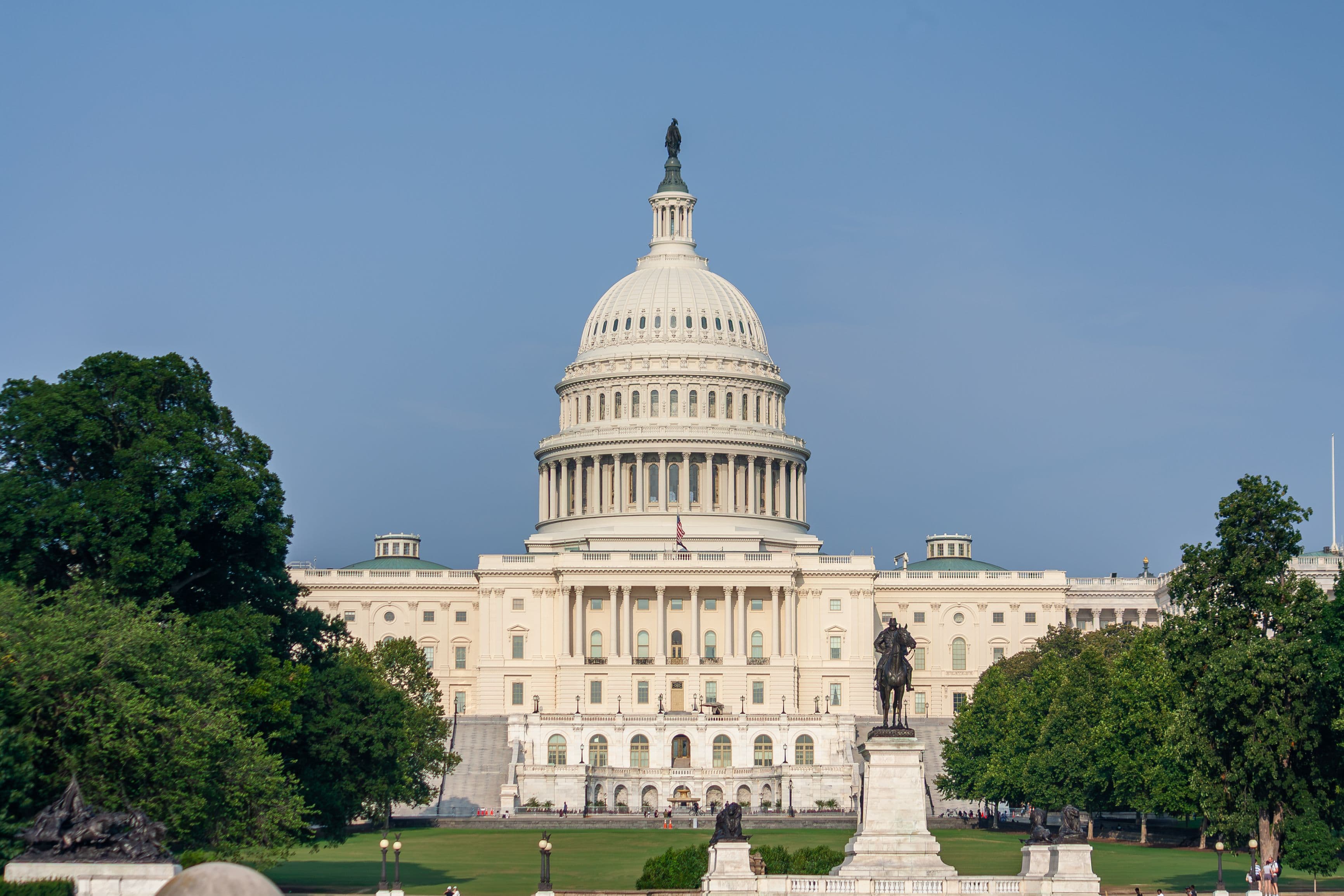
The 2026 US midterm election has shifted control of both chambers of Congress, setting up a new balance between the legislature and the White House. For readers following US politics from India, the useful question is less about election-night drama and more about what changes in practice: when the new Congress begins, which responsibilities move, and what still depends on negotiation and official procedures.
The Associated Press reported that Democrats had won control of the House of Representatives and Senate. The result changes the political composition of Congress, but it does not replace the president or instantly rewrite federal policy. The transition happens through a formal process, and each chamber has its own leadership, rules and calendar.
What the 2026 result changes
Congress has two chambers. The House has 435 voting members, elected for two-year terms, while senators serve staggered six-year terms. In a midterm year, voters elect every House seat and roughly one-third of the Senate. The 2026 result therefore determines who holds the chamber majorities for the next Congress, rather than who occupies the presidency.
With a majority, a party generally has a stronger hand in choosing chamber leaders and committee chairs, setting hearing schedules and deciding which bills receive consideration. The House and Senate still have to pass the same text before a bill can go to the president. A president can sign a bill or veto it, and Congress can override a veto only with the required supermajorities. Control of a chamber is influential, but it is not a guarantee that every campaign proposal becomes law.
In the Senate, the majority also has an important role in confirming many presidential nominees and approving certain appointments. Those powers operate under the chamber’s rules and the legal requirements for each position. A change in party control can alter the pace and scrutiny of nominations, but individual outcomes depend on the nominee, the vote count and the Senate’s schedule.
Why the result does not take effect overnight
Election-night totals are preliminary. Local officials continue counting eligible ballots, reconcile records and complete canvasses before the results are formally certified. The US Election Assistance Commission explains that the canvass checks that valid ballots are included and that election results remain unofficial until certification. Timing and procedures differ across states and local jurisdictions.
This distinction matters when following close contests or reading a map marked “called.” News organizations project winners using their own decision processes; election officials certify the official results under state law. A projection can be a useful early indicator, but it is not itself a government certification. Readers should check state election offices for final totals and deadlines rather than treating every election-night figure as final.
Once the state processes are completed, the elected members prepare for the new congressional session. Members-elect may choose leaders, hire staff and plan committee priorities before taking their seats. The outgoing Congress continues to hold its authority until its term ends. This overlap is why the post-election period can include both final legislative work by the current Congress and planning by the incoming one.
What Congress can influence in the next session
The next Congress will influence federal legislation, spending decisions, hearings and oversight. The House originates revenue measures, while both chambers consider legislation and appropriations. Committee investigations can request records, hold public hearings and question officials as part of Congress’s oversight role. These activities can shape public debate and affect how agencies explain their work, even when they do not immediately change a rule.
Many major decisions require agreement across both chambers and the executive branch. Budget deadlines, appointments and bills can become negotiating points. If the chambers and president disagree, lawmakers may revise proposals, delay action or seek a narrower compromise. That is a normal feature of a system with separate branches, not evidence by itself that a policy has already changed.
For people outside the United States, it is helpful to separate three stages: campaign commitments, legislative proposals and enacted policy. A promise made during an election is not a statute. A bill introduced in Congress is not yet law. An enacted law may still require agencies to publish rules, guidance or implementation dates before businesses and residents can act on it.
How to follow the transition without overreading headlines
Use a small set of reliable checks when reading about the US midterm election results. First, distinguish media projections from state-certified totals. Second, note whether a policy is a statement, a bill, a passed law or an agency action. Third, check which chamber or government body is responsible for the next step. Finally, look for dates: a proposal can be discussed for months before a vote or implementation.
For Indian readers, this approach is especially useful when a US political headline is connected to trade, technology, immigration or markets. A shift in congressional control can influence hearings and legislation, but a change in US policy may depend on the existing law, the executive branch, court decisions and future negotiations. The practical impact should be assessed from the specific official action, not inferred from the election result alone.
Conclusion
The 2026 midterms change who will lead Congress, and that can affect the legislative agenda, committee oversight and the confirmation process. It does not itself change the presidency or automatically change current laws. The clearest way to follow the transition is to track state certification, the new Congress’s first actions and any concrete bills or agency decisions that follow. For election procedure, the US Election Assistance Commission’s guide to canvassing and certification explains why early results and final official totals are different. For the reported chamber outcome, see the Associated Press report on the election and congressional transition.